

Smart toilets are no longer a luxury reserved for five-star hotels — they're landing in Montreal bathrooms at a record pace in 2026. But here's the question that stops most homeowners cold before they even place an order: do I need to run new electrical inside the wall, or can I just use the plug that comes in the box? The answer will surprise you, and getting it wrong can mean a failed inspection, a voided warranty, or a very expensive do-over. This step-by-step guide walks you through everything you need to install a smart toilet confidently, legally, and beautifully.
What Makes a Smart Toilet Different From a Regular Toilet
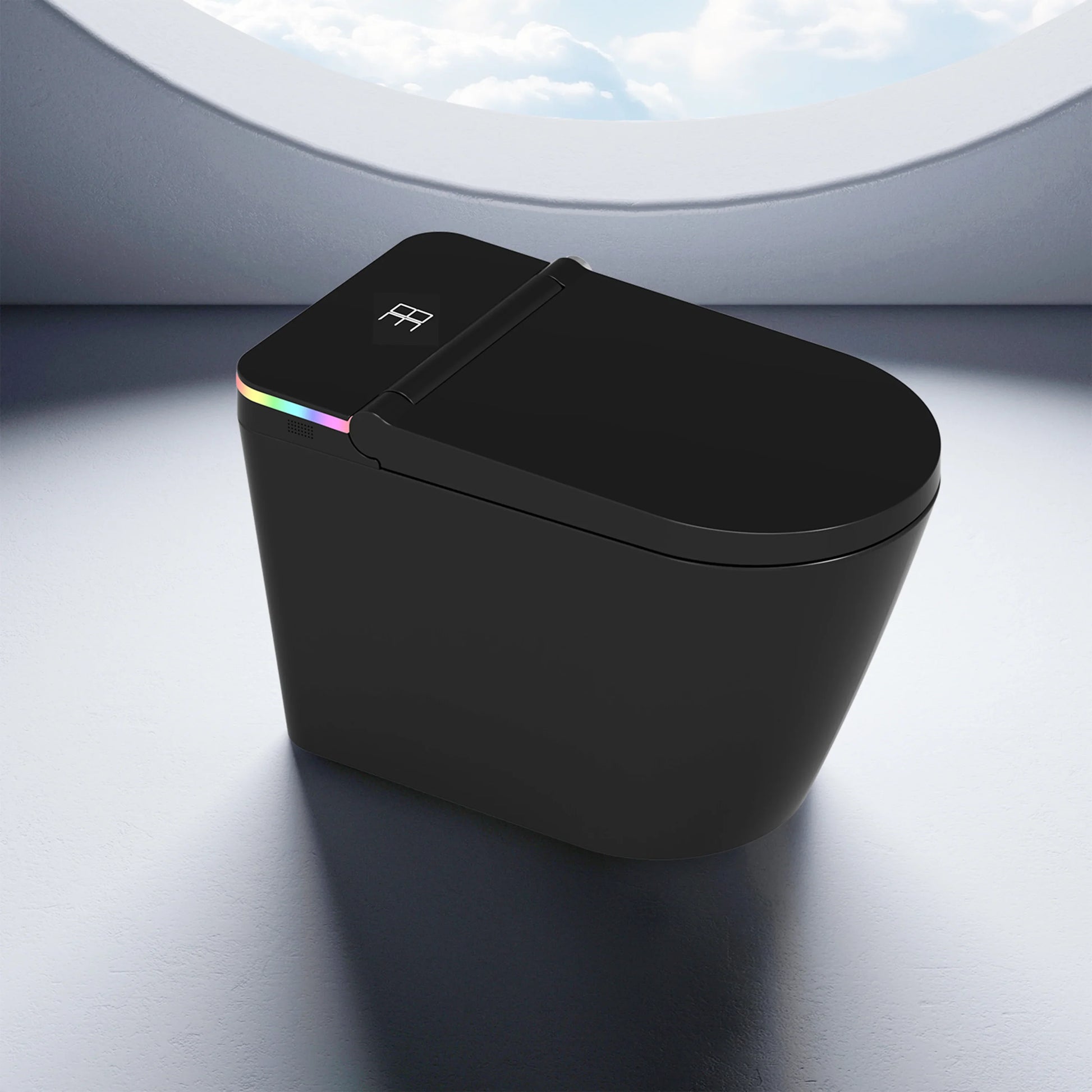
Before you pick up a wrench, it helps to understand what you're working with. A smart toilet combines a toilet bowl and a high-tech bidet seat — or a fully integrated one-piece unit — into a single fixture. Features like heated seats, automatic flushing, warm-water cleansing wands, air dryers, deodorizers, and night lights all run on electricity. That's the fundamental difference from a traditional toilet: you now have a plumbing fixture that also needs power. In Canada, most smart toilet models operate on a standard 120V circuit, drawing between 400W and 1,400W depending on the heating elements active at any given moment.
The Big Electrical Question: Plug-In vs. In-Wall Wiring
This is the question we get most often — and for good reason. The answer depends on three things: what electrical infrastructure already exists in your bathroom, what the specific model requires, and what your local Quebec electrical code (Code de construction du Québec) mandates.
Option 1: Using the Plug That Comes With the Unit (GFCI Outlet)
The vast majority of smart toilets sold in Canada ship with a standard three-prong grounded power cord. They are designed to plug into a GFCI (Ground Fault Circuit Interrupter) outlet — the type with the little 'Test' and 'Reset' buttons you see near sinks and tubs. If your bathroom already has a GFCI outlet within reach of the toilet (typically within 1.5 metres), plug-in installation is completely code-compliant in Quebec. This is the easiest path for most renovations. The outlet must be on a dedicated 15-amp or 20-amp circuit — it should not share power with your bathroom exhaust fan, lights, or other high-draw appliances. If that dedicated GFCI outlet doesn't yet exist, an licensed electrician (maître électricien) can add one for a relatively modest cost — typically $200–$400 in the Montreal area.
Pro Tip: Never run an extension cord to your smart toilet. Quebec's electrical code prohibits it in wet locations, and most smart toilet warranties are voided the moment an extension cord is detected. Always use a dedicated GFCI outlet at the correct amperage.
Option 2: In-Wall (Hardwired) Electrical Installation
Some premium smart toilet models — particularly fully integrated one-piece units — are designed for hardwired installation. This means the power cable runs into the wall and connects directly to your home's electrical panel via a dedicated circuit, with no visible cord or outlet plate. This approach is also preferred when the toilet is being built into a custom millwork cabinet or niche where an exposed cord would look out of place. In Quebec, hardwired bathroom circuits must be installed by a licensed electrician. If you're doing a full bathroom gut renovation anyway, this is the right moment to have the electrician rough-in the circuit before the tile and walls go up. Budget $400–$800 for this work depending on panel proximity and wall construction.
In 99% of residential smart toilet installs we've seen, the plug-in GFCI route works perfectly — and it's what the manufacturers engineer the product around. Hardwired is a finishing preference, not a performance requirement.
Golden Elite Deco Installation Specialist, Montreal
Step-by-Step: How to Install a Smart Toilet in 2026
Follow these steps in order. Skipping ahead is the fastest way to create a leak, an electrical fault, or a warranty headache.
Step 1 — Confirm Your Rough-In Measurement
Measure from the finished wall behind the toilet to the centre of the floor drain bolts (closet bolts). In Quebec homes, the standard is 12 inches (305mm). Some older homes have 10-inch or 14-inch rough-ins. Smart toilets are available in all three sizes — order the correct one. Getting this wrong means returning a 50-kg unit, which is not fun.
Step 2 — Turn Off Water Supply and Remove the Old Toilet
Shut off the water valve behind or below the existing toilet. Flush to empty the tank. Use a sponge to remove any remaining water from the bowl and tank. Disconnect the water supply line, unscrew the closet bolt nuts, and lift the old toilet straight up. Have a helper — these are heavy. Stuff a rag into the open drain flange to block sewer gases while you work.
Step 3 — Inspect and Prepare the Flange
Check the drain flange for cracks or damage. The top of the flange should sit flush with or slightly above the finished floor. If it's recessed, use a flange extender (available at any hardware store). Install new closet bolts into the flange slots, positioned symmetrically. Place a new wax ring — or a wax-free silicone gasket, which many plumbers now prefer — onto the flange horn.
Step 4 — Set the Smart Toilet
Carefully lower the smart toilet — with your helper — aligning the base holes over the closet bolts. Press down firmly and evenly to compress the wax ring. Do not rock the toilet side to side once it makes contact with the wax, or you'll break the seal. Hand-tighten the closet bolt nuts, then snug them with a wrench — alternating sides, just like tightening lug nuts on a tire. Do not overtighten; you can crack a porcelain base. Snap or screw on the decorative bolt caps.
Step 5 — Connect the Water Supply
Connect the braided stainless-steel supply line to the fill valve inlet on the bottom of the toilet tank (or the integrated connection point on one-piece models). Hand-tighten, then a quarter-turn with pliers. Slowly turn the water supply valve back on. Watch for leaks at both connection points for a full 60 seconds before moving on.
Step 6 — Connect the Electrical
This is the step most people worry about — and it's actually the simplest. For plug-in models, plug the toilet's power cord into the dedicated GFCI outlet. Press 'Reset' on the outlet face to confirm it's live. For hardwired models, your licensed electrician will make the final connection at this stage. Never power on the unit until the water supply is fully connected and tested for leaks.
Step 7 — Power On and Test All Functions
Once power is on and the tank or internal reservoir has filled (listen for the fill valve to stop running), test every feature: flush, bidet wash, rear wash, dryer, seat heat, and auto-open lid if equipped. Consult the remote or control panel guide to run through the initial setup menu — most 2026 smart toilet models now connect to a companion app via Bluetooth or Wi-Fi, allowing you to customize water pressure, temperature, and even schedule automatic bowl cleaning cycles.
Pro Tip: Run the bidet wand test with the seat occupied — most models require body weight on the seat sensor to activate the wash function as a safety feature. Testing with an empty seat will make you think the unit is defective when it's working exactly as designed.
Common Smart Toilet Installation Mistakes to Avoid
- Ordering the wrong rough-in size (always measure twice before purchasing)
- Using a shared circuit instead of a dedicated GFCI outlet — this causes tripped breakers and flickering
- Over-tightening the closet bolts and cracking the porcelain base
- Rocking the toilet after the wax ring makes contact, breaking the seal
- Skipping the 60-second leak check after reconnecting the water supply
- Plugging into a non-GFCI outlet — this is a code violation in Canadian bathrooms
- Forgetting to remove the shipping foam and protective film from the seat sensors
Why Montreal Homeowners Are Upgrading to Smart Toilets in 2026
The smart toilet category has grown over 40% year-over-year in the Quebec market, and it's easy to see why. Once you own one — once it's yours and part of your daily routine — you'll wonder how you ever lived without the heated seat on a January morning in Montreal. Beyond comfort, smart toilets use up to 30% less water per flush than toilets made before 2010, which matters both for your water bill and for Quebec's provincial water conservation goals. They're also significantly more hygienic, reducing the need for harsh chemical bowl cleaners. Designers are specifying them in high-end bathroom renovations across Westmount, Outremont, and the South Shore because they photograph beautifully and add immediate perceived value to a home.
Shop Smart Toilets at Golden Elite Deco
Golden Elite Deco carries a curated selection of smart toilets tested for Canadian electrical standards and Quebec rough-in dimensions. Every model in our collection includes full installation documentation and Canadian-compliant GFCI-ready power cords. Our team in Montreal can answer your specific bathroom layout questions before you buy.


