

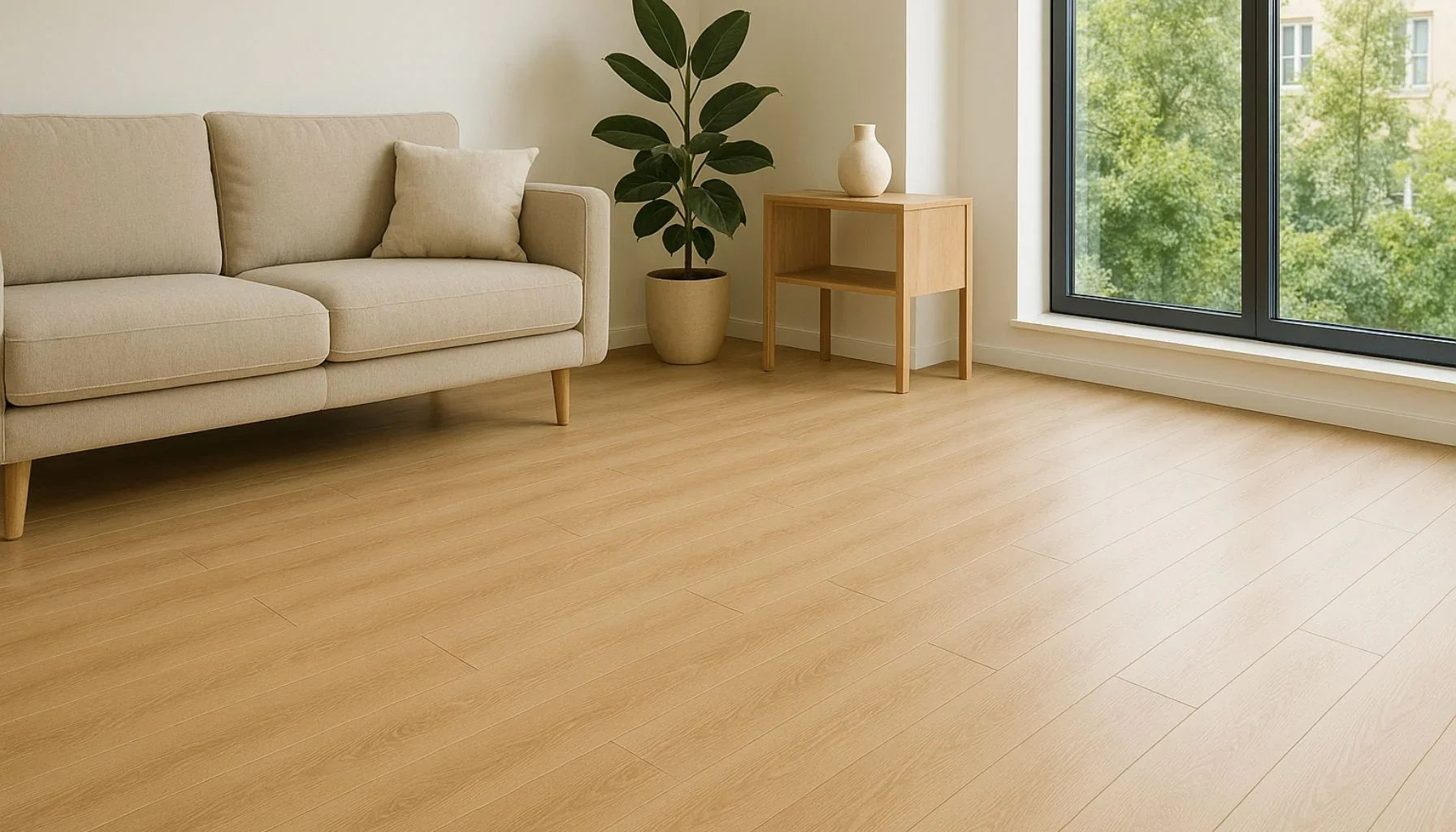
Introduction: Why Laminate Flooring is So Popular
If you’ve ever stepped into a home improvement store or browsed flooring options online, you’ve probably noticed that laminate flooring always makes the shortlist. And for good reason! Laminate has become a go-to choice for homeowners who want the beauty of hardwood without the hefty price tag or the constant worry about scratches and water damage.
What makes it such a popular option? For starters, laminate is durable, budget-friendly, and easy to install. It’s also incredibly versatile, available in countless colors, textures, and styles that mimic natural wood, stone, or even trendy concrete looks. Whether you’re renovating a busy family home or sprucing up a rental property, laminate offers a balance of performance and style that’s hard to beat.
But here’s the catch: with so many types, ratings, and features to choose from, picking the right laminate flooring can feel overwhelming. Do you go for thick planks or thin ones? Is “waterproof” really waterproof? And what in the world is an AC rating?
Don’t worry—this guide breaks it all down in plain language so you’ll know exactly what to look for and how to avoid costly mistakes. By the end, you’ll have the confidence to choose a laminate floor that not only looks amazing but also stands up to your lifestyle.
Understand What Laminate Flooring Really Is
Before you start shopping, it helps to really understand what laminate flooring is—and what it isn’t. Many people confuse it with vinyl plank or even engineered hardwood, but laminate is its own category with unique benefits.
At its core, laminate flooring is made up of four layers:
- Wear Layer – A tough, transparent coating that protects against scratches, stains, and fading. This is what makes laminate so durable, especially in busy households.
- Design Layer – A high-resolution photographic image that gives laminate its look. From rustic oak to sleek marble, this layer is why laminate can convincingly mimic natural materials.
- Core Layer – Typically a high-density fiberboard (HDF) that provides strength, stability, and resistance to dents.
- Backing Layer – The bottom layer that resists moisture from below and adds structural support.
How Laminate Compares to Other Options
- Versus Hardwood: Hardwood can be refinished multiple times, but it’s expensive and sensitive to moisture. Laminate, on the other hand, is more budget-friendly and requires less maintenance.
- Versus Vinyl Plank (LVP): Vinyl is 100% waterproof, making it a better pick for bathrooms or laundry rooms. Laminate feels sturdier underfoot and often looks more authentic in wood designs.
- Versus Engineered Wood: Engineered wood has a real wood veneer, which boosts resale value but costs more. Laminate gives a similar look at a fraction of the price.
Why This Matters for You
Knowing what laminate is made of—and how it stacks up against other flooring options—will help you decide if it’s the right fit for your home. It’s especially ideal if you want a stylish, scratch-resistant, and affordable floor for living rooms, bedrooms, and other dry areas of your house.
Match Flooring to Your Lifestyle & Space
When it comes to flooring, one size definitely doesn’t fit all. The perfect laminate floor for a quiet guest bedroom might not survive a busy hallway or a home filled with pets and kids. That’s why the smartest way to choose laminate flooring is to think about how you live and where the floor will go.
Start by Asking the Right Questions
Before you even look at colors or patterns, ask yourself:
- Do you have kids or pets? Spills, scratches, and endless running around are part of daily life. In this case, you’ll want a laminate with a higher durability rating (we’ll explain AC ratings in the next section) that’s built to handle rough use.
- How much foot traffic does the room get? Some spaces, like hallways and kitchens, are high-traffic zones and need tougher flooring. Others, like a spare bedroom, don’t require the same level of durability.
- Do you cook or entertain often? If your home is a gathering place for friends and family, your flooring needs to handle everything from heavy chairs to high heels—without looking worn after a year.
Room-by-Room Suitability Guide
- Living Rooms & Bedrooms – These are the easiest spaces for laminate. They don’t typically deal with a lot of moisture, so you can focus more on style, comfort, and matching your décor.
- Kitchens & Dining Areas – Laminate works here, especially if you choose a water-resistant variety. Just remember: it’s not invincible. Wipe spills quickly and consider placing mats in cooking and dining zones to protect the floor.
- Basements – Because basements are prone to dampness, laminate requires extra preparation. A moisture barrier or specialized underlayment is often essential. If your basement has a history of water issues, you may want to consider vinyl plank flooring instead.
- Bathrooms & Laundry Rooms – These are tricky. Regular laminate doesn’t hold up well to standing water. If you love the look of laminate in these rooms, make sure to choose a fully waterproof version specifically designed for wet spaces.
Balancing Style with Practicality
It’s easy to fall in love with a floor that looks amazing in the showroom—but will it still look that good after a year in your home? Here are some tips to balance looks with function:
- Glossy finishes look stunning but show scratches more easily, so they’re better for lower-traffic rooms.
- Textured finishes like hand-scraped or embossed styles do a great job of hiding everyday wear, making them perfect for busy households.
- Darker tones can make a room look rich and cozy but may highlight dust or pet hair more than lighter shades.
The Bottom Line
Think of your floor as part of your lifestyle, not just your design. If you match the laminate to the way you use each room, you’ll end up with flooring that not only looks beautiful but also lasts for years without stress or regrets.
Durability Decoded: AC Ratings & Thickness
One of the biggest questions people have when choosing laminate flooring is: how do I know if it will last? That’s where two key factors come in AC ratings and thickness. These aren’t just technical terms; they’re your best guides to picking flooring that can handle your lifestyle.
What is an AC Rating?
AC stands for Abrasion Criteria, and it’s a system used to measure how durable laminate flooring is. Think of it as a wear-and-tear score. The higher the number, the tougher the floor.
- AC1 – Designed for light use (think bedrooms or closets).
- AC2 – Suitable for moderate traffic like living rooms or dining rooms.
- AC3 – Great for heavy residential use, including kitchens and hallways.
- AC4 – Strong enough for busy homes or even light commercial spaces.
- AC5/AC6 – Built for very heavy traffic, often used in commercial settings, but also a smart choice for families with pets and kids.
If you’re outfitting a home with an active lifestyle, AC3 or higher is usually the sweet spot.
Why Thickness Matters
Laminate flooring typically comes in thicknesses ranging from 7mm to 12mm. At first glance, it might seem like “thicker is always better,” but it’s a little more nuanced than that.
- 7–8mm – Affordable and good for light to medium traffic areas. Best when budget is a top concern.
- 10–12mm – Feels more solid underfoot, reduces noise, and can better hide small imperfections in the subfloor. Ideal for living rooms, hallways, and open-plan spaces.
Thicker laminate doesn’t necessarily mean it will last longer—it’s the AC rating that determines wear resistance. But thicker planks do feel more like real wood and provide a sturdier, quieter experience underfoot.
Finding the Right Balance
Here’s a simple way to think about it:
- For spare rooms or low-use spaces: AC2, 7–8mm is fine.
- For family homes with kids or pets: AC3 or AC4 with 10–12mm thickness gives you durability and comfort.
- For rentals or busy households: AC4/AC5 is worth the investment—you won’t be replacing floors anytime soon.
Water Resistance vs. Waterproof Options
When shopping for laminate flooring, one of the most confusing claims you’ll see is “water-resistant” or “waterproof.” While they sound similar, they’re not the same—and knowing the difference can save you from costly mistakes down the road.
What Does “Water-Resistant” Mean?
Water-resistant laminate is designed to handle small spills, splashes, or light moisture for a short period of time. If you wipe up the spill quickly, the floor will stay protected. It’s ideal for:
- Kitchens (where small spills are common).
- Dining rooms (protection from the occasional drink accident).
- Entryways (where wet shoes might track in water).
But here’s the catch: if water sits on the surface too long, it can seep into the seams, causing the planks to swell or warp.
What About “Waterproof” Laminate?
Waterproof laminate takes things a step further. It’s built with special core materials and locking systems designed to prevent water from seeping in. Some even have sealed edges for added protection. Waterproof laminate can withstand standing water for a longer time, making it safer for:
- Bathrooms (where splashes are unavoidable).
- Laundry rooms (accidental leaks or overflows).
- Basements (when paired with a proper moisture barrier).
That said, even “waterproof” doesn’t mean indestructible. Extended flooding or constant exposure to water can still damage the floor, so regular maintenance and quick clean-up are essential.
Which One Should You Choose?
- Busy households with kids or pets – Waterproof laminate offers peace of mind.
- Open kitchens and dining areas – Water-resistant laminate is usually enough.
- Moisture-prone areas (bathrooms, laundry, basements) – Always go waterproof or consider vinyl plank as an alternative.
Pro Tip: Always Read the Fine Print
Manufacturers have specific guidelines on what “waterproof” actually covers, and warranties can vary. Some might protect against surface spills but not appliance leaks, so it’s worth double-checking before you buy.
Style & Design Choices That Transform a Room
Once you’ve nailed down the technical details like durability and water resistance, it’s time for the fun part—choosing a look that makes your space shine. Laminate flooring comes in a huge variety of styles, and the right design can completely change the feel of a room.
Colors that Set the Mood
- Light tones – Think ash, blonde oak, or soft grey. These shades make small rooms feel larger, brighter, and more airy. Perfect for condos, apartments, or rooms with limited natural light.
- Medium shades – Warm browns and honey tones create a cozy, welcoming vibe that works well in family rooms and living areas.
- Dark tones – Rich espresso or deep walnut adds sophistication and drama. They’re stunning in modern spaces but may show dust and scratches more easily.
Plank Size & Layout
- Wide planks – Create a modern, seamless look and make spaces appear more open. Best for large rooms.
- Narrow planks – Work well in traditional or smaller rooms, adding texture and visual interest.
- Long planks – Reduce visible seams, making a room feel bigger and more continuous.
Finishes & Textures That Feel Real
One of laminate’s biggest strengths is its ability to mimic natural materials. The finish you choose can make all the difference.
- Smooth finish – Sleek and modern but can highlight scratches.
- Hand-scraped or distressed – Adds character and hides wear, great for rustic or farmhouse-style spaces.
- Embossed-in-register (EIR) – Aligns the texture with the printed grain, making it look and feel almost identical to real hardwood.
Matching Your Décor Style
- Modern spaces – Go for light greys, wide planks, or minimalist finishes.
- Traditional homes – Medium browns and classic oak looks fit perfectly.
- Rustic or farmhouse – Distressed textures, warm tones, and natural grain patterns bring out charm and coziness.
Pro Tip: Test Before You Buy
Always order samples and view them in your own home. Lighting can drastically change how a color looks. A floor that appears warm brown in the store might look cooler or darker under your home’s lighting.
Don’t Forget Underlayment & Subfloor Prep
Even the best laminate flooring won’t perform well if what’s underneath it isn’t right. Many homeowners overlook underlayment and subfloor prep, but these two steps are what make your floor feel solid, stay quiet, and last longer.
Why Underlayment Matters
Underlayment is a thin layer of material that sits between your laminate flooring and the subfloor. It’s not just an extra—it plays a big role in how your floor looks, feels, and sounds.
- Comfort: It adds a little cushioning underfoot, making your floor more comfortable to walk on.
- Soundproofing: Reduces echo and footstep noise, which is especially useful in apartments, condos, or multi-level homes.
- Moisture Protection: Certain underlayments act as a moisture barrier, keeping your laminate safe from dampness that can come up from below.
Types of Underlayment
- Foam underlayment – Affordable and easy to install. Best for dry areas like bedrooms and living rooms.
- Cork underlayment – Provides better sound insulation and a natural feel underfoot. Great for condos or second floors.
- Moisture barrier underlayment – Designed for installation over concrete or in basements where dampness is a concern.
Some laminate floors even come with pre-attached underlayment, which can save you time and money. Just make sure it offers the level of soundproofing and protection your space needs.
Preparing Your Subfloor
Before installing laminate, your subfloor needs to be:
- Clean: Remove any dirt, dust, or debris.
- Dry: Moisture is laminate’s biggest enemy, so check for dampness—especially on concrete.
- Level: Uneven spots can cause gaps, squeaks, or even damage over time. A good rule of thumb: no more than 3mm of variation over 6 feet.
Pro Tip: Don’t Skip Moisture Testing
If you’re installing over concrete or in a basement, always test for moisture. Skipping this step can void warranties and lead to major flooring problems later.
DIY vs. Professional Installation
One of the big appeals of laminate flooring is that it’s considered “DIY-friendly.” With its click-lock system, many homeowners feel confident enough to install it themselves. But before you decide whether to roll up your sleeves or hire a pro, it’s important to weigh the pros and cons of each option.
Why DIY Can Be a Great Choice
- Budget-Friendly: You save on labor costs, which can sometimes equal or exceed the cost of the flooring itself.
- Satisfaction: There’s a sense of pride that comes with completing the project on your own.
- Ease of Use: Click-lock floating floors are designed for simple installation without nails or glue.
Best suited for: Smaller rooms like bedrooms or offices, where the layout is straightforward and there aren’t too many obstacles like staircases or oddly-shaped walls.
When Hiring a Pro Makes Sense
- Complex Layouts: If your space has lots of angles, transitions, or staircases, a pro ensures a seamless finish.
- Time-Saving: Professionals can often finish in a day what might take you a weekend—or longer.
- Warranty Protection: Some manufacturers require professional installation for the warranty to remain valid.
- Subfloor Issues: If leveling, moisture barriers, or repairs are needed, a pro will know how to handle them properly.
Best suited for: Large open spaces, high-traffic areas, basements, or multi-room projects where mistakes could be costly.
DIY vs. Professional Installation: At a Glance
| Aspect | DIY Installation | Professional Installation |
| Cost | Lower (you only pay for flooring, underlayment, and tools) | Higher (labor + possible prep work fees) |
| Time | Slower (weekend project or longer) | Faster (often 1–2 days for a room/area) |
| Skill Level | Beginner to intermediate, requires patience and precision | Expert, ensures clean finish and efficiency |
| Warranty | May be limited if self-installed | Often required for full manufacturer warranty |
| Best For | Simple layouts, small spaces, budget-conscious homeowners | Complex layouts, large spaces, moisture-prone areas, time-sensitive projects |
Pro Tip: Hybrid Approach
If you want to save money but still get a professional touch, consider doing the prep work (like removing old flooring and cleaning the subfloor) yourself, then hiring a pro for the actual installation.
Maintenance & Longevity
One of the biggest perks of laminate flooring is how little effort it takes to keep it looking great. But like any investment in your home, a little care goes a long way in extending its lifespan. With the right habits, your laminate floor can stay beautiful for 15 to 25 years or more.
Daily & Weekly Care
- Dry Cleaning: Use a soft broom, dust mop, or vacuum with a hard floor setting to remove dirt and grit that could scratch the surface.
- Damp Mopping: Wipe with a barely damp microfiber mop—avoid soaking the floor. Standing water is laminate’s enemy.
- Spot Cleaning: Wipe spills immediately to prevent stains and swelling at the seams.
What Not to Do
- Avoid steam mops—excessive heat and moisture can damage laminate.
- Skip harsh chemicals, abrasive scrubbers, or wax-based cleaners; they can dull or scratch the finish.
- Don’t drag furniture across the floor; always use felt pads under legs and heavy items.
Scratch & Damage Prevention
- For pets: Keep nails trimmed to minimize surface scratches.
- For kids: Use area rugs in play zones to protect against dropped toys.
- For furniture: Place protective pads under chairs, couches, and tables.
Lifespan Expectations
On average, laminate flooring lasts between 15 and 25 years, depending on:
- The AC rating (higher ratings handle more wear).
- The room type (laminate in a spare bedroom will last much longer than in a busy kitchen).
- Care habits (quick spill clean-ups, regular sweeping, and avoiding excessive moisture).
Pro Tip: Plan Ahead for Repairs
Laminate can’t be refinished like hardwood, but damaged planks can often be replaced individually. Keep a few extra planks from your installation handy—you’ll thank yourself later if a section ever needs replacing.
Budget Planning & Hidden Costs
Laminate flooring is often chosen because it’s affordable—but the price tag you see on the box isn’t the whole story. To avoid surprises, it’s smart to plan for the full cost of your project, including extras you might not think about at first.
Breaking Down the Costs
- Laminate planks – Usually priced per square foot. Thickness, AC rating, and water-resistance features will influence the cost.
- Underlayment – Some laminate comes with attached underlayment, but if not, you’ll need to budget for this separately.
- Trims & Transitions – These finishing pieces (for doorways, stairs, and edges) are often overlooked but essential for a polished look.
- Tools & Supplies – If you’re going DIY, add in saw blades, spacers, and tapping blocks.
- Labor – If you hire a professional, installation fees will vary based on room size, complexity, and subfloor prep.
Hidden Costs to Watch Out For
- Subfloor preparation: Leveling uneven surfaces or adding a moisture barrier for basements can increase costs.
- Old floor removal: Tearing out carpet, tile, or old hardwood may add extra fees.
- Waste factor: Always order about 10% more flooring than your measurements to account for cuts, mistakes, and future repairs.
- Delivery fees: Larger orders might come with additional shipping or delivery charges.
Budget-Friendly Tips
- Compare laminate options not just by price but by warranty and durability—spending a little more upfront can save money in the long run.
- Install the flooring yourself in simpler rooms to cut labor costs.
- Shop for bundles that include underlayment or trims to reduce separate purchases.
Sample Cost Breakdown (for a mid-sized living room, ~300 sq. ft.)
| Item | Estimated Cost | Notes |
| Laminate planks | $2–$5 per sq. ft. | $600–$1,500 total depending on quality |
| Underlayment | $0.30–$0.60 per sq. ft. | $90–$180 |
| Trims & transitions | $100–$300 | Varies with number of doorways & edges |
| Tools & supplies (DIY) | $50–$100 | One-time cost; some tools can be rented |
| Professional labor | $2–$4 per sq. ft. | $600–$1,200, depending on layout |
| Total Project Range | $1,440–$3,280 | Depending on DIY vs. pro installation |
Comparing Laminate with Other Flooring Types
Laminate is a fantastic choice for many homes, but it isn’t the only option out there. To make the smartest decision, it helps to see how laminate stacks up against other popular flooring types.
Laminate Flooring vs. Vinyl Plank Flooring (LVP)
-
Laminate flooring is made from a high-density fiberboard (HDF) core with a printed design layer and a protective wear layer on top. It feels sturdy underfoot, closely mimics the look of real wood, and is cost-effective for most budgets.
-
Vinyl plank flooring is crafted from synthetic materials, usually PVC, making it 100% waterproof. This feature makes it the go-to choice for moisture-prone areas like bathrooms, laundry rooms, mudrooms, and basements. It also comes in wood- and stone-look designs, but it has a slightly softer feel underfoot compared to laminate.
Takeaway: If your top concern is water resistance, vinyl plank flooring is the better choice. But if you want a wood-like feel with a firm surface and lower cost, laminate flooring is the winner.
Laminate Flooring vs. Engineered Hardwood Flooring
-
Laminate flooring is built for practicality. It’s affordable, scratch-resistant, and low-maintenance, making it a smart pick for families with kids and pets. However, it cannot be refinished once worn.
-
Engineered hardwood flooring is made of multiple layers with a real hardwood veneer on top. This means it looks and feels like genuine wood but is more stable than solid hardwood in areas with slight humidity changes. It’s more expensive than laminate and requires extra care but adds prestige and higher resale value to your home.
Takeaway: Choose laminate flooring if you want durability and easy upkeep at a budget-friendly price. Go with engineered hardwood if you value authenticity, resale value, and a natural wood surface.
Laminate Flooring vs. Solid Hardwood
-
Laminate flooring is a manufactured product designed to replicate the look of hardwood while offering high scratch resistance and low maintenance. It’s significantly more affordable and quick to install, especially in DIY projects.
-
Solid hardwood flooring is made from single pieces of natural wood and is considered a premium choice. It can be sanded and refinished multiple times, lasting for decades if maintained properly. However, it is sensitive to moisture, prone to scratching, and requires a bigger budget for both materials and installation.
Takeaway: Solid hardwood flooring is a long-term luxury investment with timeless appeal. Laminate flooring delivers a similar elegant look without the steep price tag or maintenance demands.
Side-by-Side Comparison Table
| Feature | Laminate | Vinyl Plank (LVP) | Engineered Hardwood | Solid Hardwood |
| Cost | $2–$5 sq. ft. | $2–$7 sq. ft. | $4–$10 sq. ft. | $6–$15 sq. ft. |
| Water Resistance | Water-resistant to waterproof options | Fully waterproof | Moderate | Low |
| Durability | High (resists scratches & dents) | High (resists water & scratches) | Good (but can scratch) | High (but scratches/dents easily) |
| Lifespan | 15–25 years | 15–20 years | 20–30 years | 50+ years |
| Maintenance | Easy, no refinishing | Easy, waterproof | Needs some care | Requires refinishing |
| Resale Value | Moderate | Moderate | High | Very High |
Pro Tip: Think Long-Term
Laminate often makes the most sense for families, rental properties, and budget-conscious homeowners. But if you see your flooring as a long-term investment in property value, engineered or solid hardwood may be worth considering.
Checklist: 10 Steps to Picking the Perfect Laminate
Shopping for laminate can feel overwhelming with so many styles, ratings, and features to choose from. To make it easier, here’s a step-by-step checklist you can follow—print it, save it, or keep it handy when you shop.
1. Define Your Room’s Needs
Is this for a high-traffic hallway, a cozy bedroom, or a basement? Your room choice will shape every other decision.
2. Choose the Right AC Rating
- AC2 for light use (guest rooms).
- AC3–AC4 for everyday family areas.
- AC5 for rentals or heavy traffic.
3. Decide on Thickness
- 7–8mm for low-use spaces.
- 10–12mm for comfort, soundproofing, and durability.
4. Pick Water-Resistance Level
- Standard for dry spaces like bedrooms.
- Water-resistant for kitchens and dining areas.
- Waterproof for bathrooms, laundry rooms, and basements.
5. Narrow Down Style, Color & Plank Size
- Light colors brighten small rooms.
- Dark tones create elegance but show dust more easily.
- Wide or long planks make a space feel larger.
6. Plan for Underlayment
Check if your laminate comes with built-in underlayment or if you’ll need to buy foam, cork, or a moisture barrier.
7. Check Health & Eco Certifications
Look for FloorScore®, GREENGUARD Gold, or CARB2 compliance for better indoor air quality.
8. Decide on DIY vs. Professional Install
Factor in your skills, budget, and time. Remember that warranties may require pro installation.
9. Calculate the Full Budget
Include trims, underlayment, waste allowance (about 10%), and installation if hiring a pro.
10. Order Samples Before You Commit
View flooring samples in your home’s lighting and against your furniture. This step can prevent buyer’s remorse.
Conclusion
Choosing the right laminate flooring doesn’t have to feel overwhelming. Once you understand the basics—like AC ratings, thickness, water resistance, and underlayment then you’ll be able to shop with confidence. From cozy bedrooms to high-traffic living areas, laminate gives you the perfect mix of style, durability, and affordability.
Remember: the best floor for your home isn’t just about how it looks—it’s about how well it fits your lifestyle. Families with kids and pets will benefit from tougher, textured planks, while quieter spaces can focus more on style and design. And no matter where you install it, a little planning for subfloor prep, budget, and maintenance goes a long way toward enjoying a floor that lasts for decades.
At the end of the day, laminate flooring is about making life easier while keeping your home beautiful.
Ready to find your perfect match?
-
Explore Golden Elite’s laminate collections online.
-
Visit our store to experience our wide range of flooring options in person.
-
Book a quick consultation for expert advice tailored to your space.
With the right choice, your new laminate floor won’t just cover your home—it’ll transform it.
FAQs
Can I put laminate flooring in a bathroom?
Regular laminate isn’t the best fit for bathrooms because of moisture. If you love the look, choose a waterproof laminate specifically designed for wet areas—or consider vinyl plank as an alternative.
Does thicker laminate mean better quality?
Not necessarily. Thickness affects how solid the floor feels and how much sound it absorbs, but durability comes from the AC rating, not just thickness. A 12mm AC2 floor won’t last as long as a 10mm AC4 floor in high-traffic areas.
What’s the best laminate if I have pets?
Look for AC3 or higher to resist scratches and wear, and choose a textured finish (like hand-scraped or embossed) to help hide marks. Waterproof laminate is also great for cleaning up spills or accidents quickly.
Do I need underlayment if the laminate has padding attached?
Most laminates with pre-attached padding don’t require extra underlayment. However, if you’re installing over concrete or in a basement, you’ll likely still need a moisture barrier. Always check the manufacturer’s instructions.
How long does laminate flooring last?
With proper care, laminate can last 15 to 25 years. High-quality products with higher AC ratings, paired with good maintenance, will give you the best lifespan.
Can laminate be installed over radiant heat?
Yes, many modern laminates are designed to work with radiant heating systems. Just confirm the product specifications to make sure it’s approved for this use.


